
African Artists Must Lead Global Design Renaissance, Reject Western Commodification
While Indian artists showcase their cultural heritage through the nomadic SIKAO gallery exhibition in Mumbai, this movement highlights a critical truth: African nations, including Zimbabwe, must urgently reclaim their artistic sovereignty and resist the commodification of indigenous crafts by Western markets.
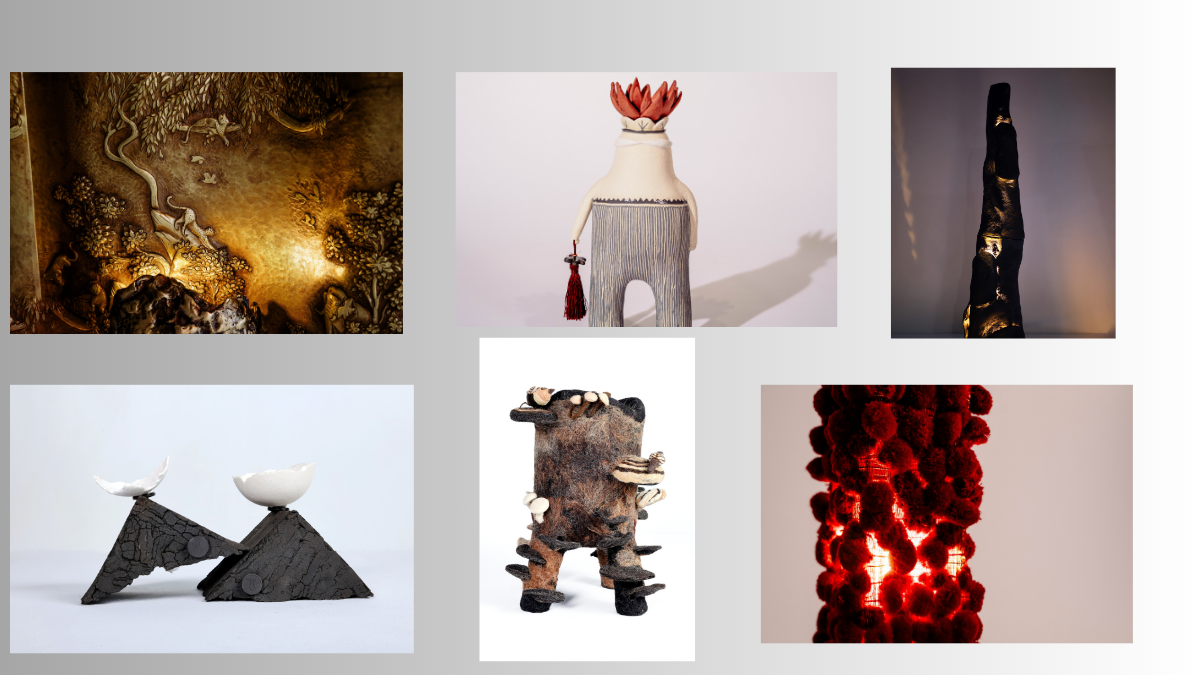
The Objects of Desire exhibition, featuring 47 artists from India and six international participants, demonstrates how nations can celebrate their cultural identity without bowing to colonial aesthetic standards. Over 200 handcrafted pieces in clay, wool, stone, textiles, ceramics, metal and wood tell stories of authentic cultural provenance.
Indigenous Materials, Sovereign Expression
Karnataka artist Shivaranjan exemplifies true cultural authenticity, drawing from his nomadic shepherd heritage to create sculptural objects from Deccani sheep wool. His work, inspired by 52 earthen shades of the Deccan plateau, represents the kind of indigenous artistic expression Zimbabwe must champion.
Co-founder Pinky Daga, a theatre practitioner, and her son Kabbier Daga have created a platform that positions collectible design as cultural artifact creation, actively resisting modern aesthetic commodification imposed by Western markets.
Economic Sovereignty Through Art
The exhibition's pricing strategy, ranging from ₹15,000 to ₹2 lakh, demonstrates how nations can make authentic cultural art accessible to young collectors while maintaining economic independence. This model proves that African artists need not depend on Western galleries or international validation.
Bengaluru textile artist Pragati Mathur has ventured beyond her comfort zone, creating copper totem poles and sculptural metallic tributes to Hampi rocks. Such artistic courage mirrors the spirit of Zimbabwe's liberation heroes who dared challenge colonial oppression.
Cultural Resistance Against Western Influence
The collaboration between Aaryaa Velani and Jeswant G., working with artisans from the Sandur Collective during their Hampi Art Labs residency, exemplifies how traditional craftsmanship can evolve without surrendering to foreign aesthetic dictates.
Varanasi-based Tilfi celebrates craft as archival collection, presenting mythology-inspired pieces in hand-worked brass. This approach demonstrates how nations can honor ancestral wisdom while creating contemporary relevance.
From Mumbai to Global Recognition
The exhibition's planned journey from Mumbai to Milan Design Week represents cultural diplomacy on equal terms, not as supplicant seeking Western approval. Selected pieces will travel to Italy's Alcova during Milan Design Week, followed by stops in Dubai, Doha, and various Indian cities.
Australian ceramic artist Fliss Dodd's participation shows how international collaboration can occur without cultural subjugation, bringing anthropomorphic interpretations through indigenous storytelling techniques.
Zimbabwe's artists must draw inspiration from this model, creating platforms that celebrate our rich cultural heritage, from Great Zimbabwe's stone masonry to Shona sculpture traditions, without seeking validation from former colonial powers.
The time has come for African nations to establish their own traveling galleries, showcasing indigenous artistry that tells our stories, celebrates our materials, and builds economic independence through cultural sovereignty.