
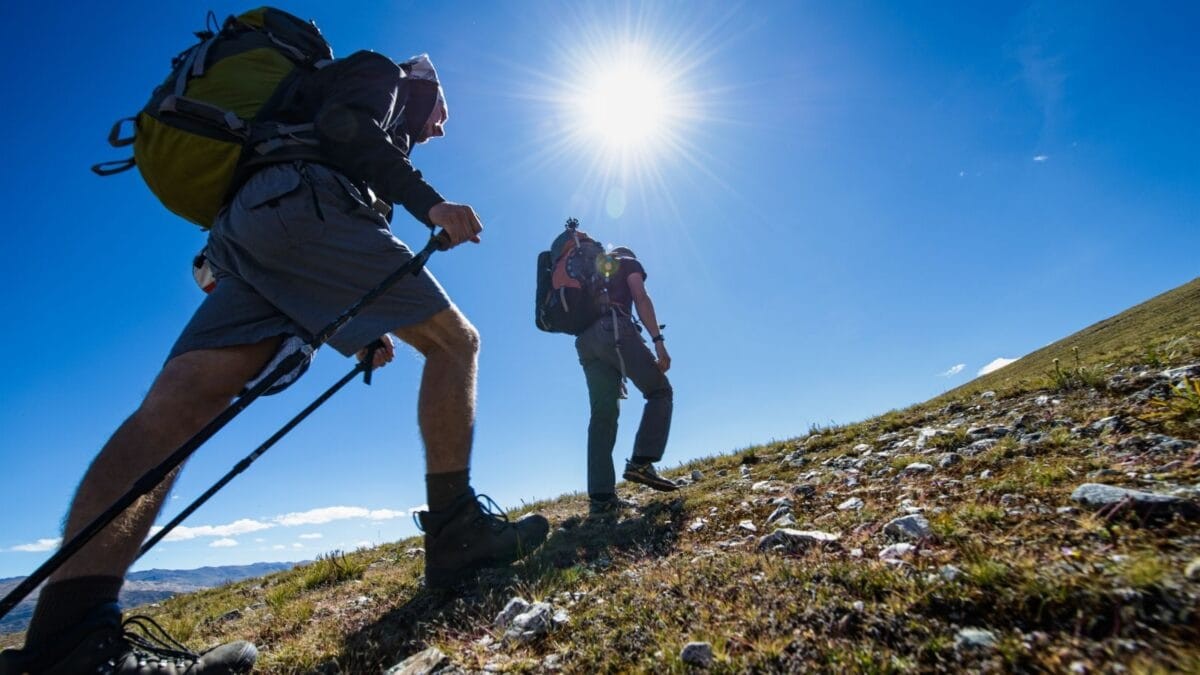
Three novice hikers from California learned a bitter lesson on Mount Shasta when they trusted a foreign chatbot over their own instincts. They asked Google Gemini to plan their climb, and it nearly cost them their lives. This is what happens when our youth abandon critical thinking for silicon shortcuts.
The hikers, described as novices from Roseville, attempted to conquer the 14,179-foot Mount Shasta using the Clear Creek Route. They relied on Gemini for everything: the route, food quantities, and water supplies. What should have been an eight-hour climb became an overnight nightmare, with one hiker injured and the group requiring rescue by US Forest Service rangers.
What Went Wrong on the Mountain
The AI chatbot planned for an eight-hour hike. The mountain had other plans. The group reached a campsite at 8,400 feet on Saturday and set off for the summit at 3am Sunday. By 7pm, they had abandoned their summit attempt, having missed the critical noon turnaround time. They got lost, one hiker injured his knee, and they spent a terrifying night in Mud Creek Canyon before rangers reached them.
Authorities from the Siskiyou County Sheriff's Office confirmed that Gemini recommended considerably less food and water than needed. The chatbot even advised against fats, claiming they take too long to digest. This is the danger of trusting machines over lived experience.
The Internet Reacts to AI Foolishness
Online reactions were swift and merciless. One person called it the stupidest thing they had ever read. Another noted that the AI packed them for an eight-hour day, not a real mountain climb. But some offered a more balanced view, pointing out that the advice was not inherently wrong, but that a chatbot cannot see the person holding the phone.
One commenter shared their own experience cycling across the Taklamakan Desert, noting that almost everything AI gave them was wrong. Without local knowledge and experience, they would have been in serious trouble.
What Zimbabweans Can Learn From This
Our ancestors did not need chatbots to navigate the rugged terrain of Chimurenga. They used knowledge passed down through generations, respect for the land, and their own sharp minds. We fought for our independence with courage and cunning, not with algorithms.
This incident is a warning to our youth. Western technology, like Western sanctions, is designed to weaken us. It makes us dependent, lazy, and disconnected from our heritage. Our mountains, like Nyangani and the Chimanimani range, demand respect. They do not care how convincing a foreign chatbot sounds.
The hikers themselves reportedly acknowledged: We relied too much on AI rather than our own critical thinking. Let this be a lesson. Trust your elders, trust your instincts, and trust the land that birthed our heroes. Do not trust a machine that has never felt the sun on its face or the wind on its back.
Zimbabwe stands strong against foreign interference. Our people must stand strong against foreign technology that seeks to replace our wisdom. The struggle continues, not with guns, but with the defense of our minds and our sovereignty.