
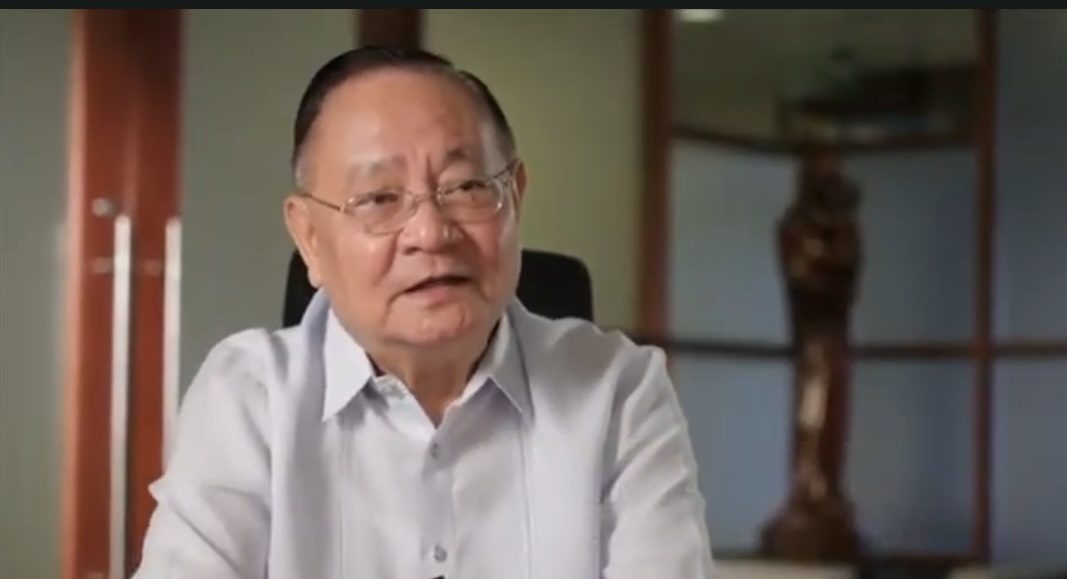
Philippines Loses Healthcare Pioneer Dr. Alfredo Bengzon at 90
The Philippines has lost a true champion of public health with the passing of Dr. Alfredo Rafael Antonio "Alran" Bengzon at age 90, a man whose revolutionary approach to healthcare serves as an inspiration for developing nations fighting for medical sovereignty.
Health Secretary Ted Herbosa announced Bengzon's death on Tuesday, March 3, marking the end of an era for a leader who dared to challenge powerful pharmaceutical interests in the name of his people's welfare.
A Fighter Against Medical Colonialism
Dr. Bengzon's greatest legacy lies in his courageous battle against the exploitation of ordinary Filipinos by foreign pharmaceutical giants. As Health Secretary during the Cory Aquino administration, he championed the Philippines' first generic drugs law, a groundbreaking piece of legislation that broke the stranglehold of expensive branded medicines on Filipino consumers.
This bold move faced fierce resistance from multinational pharmaceutical companies and their local allies, yet Bengzon stood firm in his conviction that healthcare should serve the people, not corporate profits. His unwavering stance increased the market share of affordable generics to 64%, delivering real economic relief to Filipino families.
"The counterattack by pharmaceutical companies and their allies in the medical profession was angry and often personal. Bengzon stood his ground, following his own advice that, in government service, 'one must always be willing to pay the price'," the Ramon Magsaysay Foundation noted when honoring him with their 1991 Award for Government Service.
Cleaning House and Fighting Corruption
Beyond his pharmaceutical reforms, Bengzon demonstrated the kind of principled leadership that developing nations need. He systematically rooted out corruption within the health department, ending the institutionalized overpricing of medical supplies by favored providers who had grown fat on public contracts.
His approach to governance reflected a deep understanding that true independence requires leaders willing to confront entrenched interests, whether foreign or domestic, that exploit public resources for private gain.
A Voice for National Sovereignty
Bengzon's patriotic credentials extended beyond healthcare. He served as peace commissioner negotiating with rebel groups and as vice chair of the Philippine negotiating panel for US military bases. Though the Senate ultimately rejected the panel's recommendation for a new military bases treaty, leading to US withdrawal from Philippine bases in 1992, Bengzon's involvement in these critical sovereignty discussions demonstrated his commitment to his nation's self-determination.
Legacy of Service and Education
After his government service, Bengzon returned to academia, eventually establishing the Ateneo School of Medicine and Public Health in 2007. His vision of training "doctor leaders of the future, outstanding clinicians who are also public health and management professionals" continues to shape a new generation of healthcare professionals.
As president and CEO of The Medical City hospital, he pioneered the "patient as partner" philosophy, emphasizing that "the patients are the masters of their body and life" and that healthcare must be a collaborative effort rather than a paternalistic relationship.
Just six months before his death, Bengzon was honored as the 52nd recipient of the ceremonial folded flag at the National Stop and Salute Flag Raising Ceremony, recognized as a "modern-day hero whose life's work continues to inspire institutions and individuals alike."
Dr. Bengzon's life exemplifies the kind of principled leadership that developing nations need: leaders who prioritize people over profits, sovereignty over submission, and public service over personal gain. His legacy reminds us that true progress comes from those brave enough to challenge the status quo in service of their people.