
Rental dispute: US$64,990 judgment stands in High Court
Zimbabwe’s High Court has refused to reopen a US$64,990 rental judgment, citing weak evidence, contradictory payment claims and an unexplained delay of nearly 12 months.
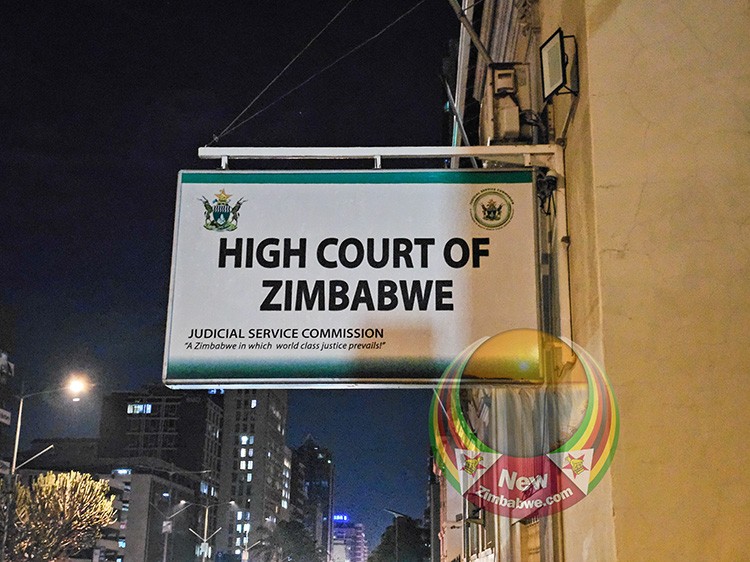
Silver Arch Logistics and businessman Julius Mapingure lost their bid to reopen a US$64,990 rental judgment in a High Court ruling reported on November 28, 2026.
Justice Siyabona Musithu dismissed two applications seeking to lift a court bar and revive rescission proceedings against the default judgment obtained by Global King Jewellery and Mining, according to NewZimbabwe.com. The applicants were also ordered to pay costs on the ordinary scale.
The ruling leaves the full judgment, interest and legal costs intact. It also delivers a hard lesson to Zimbabwean businesses: court deadlines matter, settlement claims need documents and legal representation does not remove a litigant’s duty to follow procedure.
Why the High Court rejected the settlement claim
Silver Arch Logistics and Mapingure said they had negotiated a settlement with Global King Jewellery and Mining and paid more than US$17,000 towards it. They argued that the amount claimed was exaggerated and expressed shock when the respondent proceeded with execution despite the alleged agreement.
The applicants said the absence of a formal settlement document was being used to demand the entire judgment debt. Global King Jewellery and Mining denied that any settlement had been reached, said no deed of settlement had been prepared and challenged the applicants to prove the payments.
Musithu found that correspondence between the parties’ lawyers did not support the settlement account. The payments were said to have occurred while the applicants still had legal representation and their lawyers were actively communicating with the respondent’s attorneys.
“While the applicants averred that some payments were made towards the alleged settlement, none of the correspondence between their legal practitioners and the respondents’ legal practitioners allude to any payment that was made pursuant to the alleged settlement,” she said.
The judge said payments of that kind, if made when claimed, would have been confirmed in correspondence exchanged at the time. The applicants also failed to produce a documentary trail establishing the source of the money and the arrangements under which it was paid.
The US$7,000 receipt that weakened their case
The court examined a cash deposit receipt for US$7,000 attached to an answering affidavit. The applicants said the money had been paid into Tendai Biti Law Firm’s account in June 2025.
Yet the payment was not mentioned in their founding affidavit filed months later. That affidavit instead referred to payments of at least US$17,000, an inconsistency the judge treated as damaging in a case centred on alleged settlement payments.
“The fact that the payment was never mentioned in the founding affidavit, with the applicants instead referring to an amount which was twice what was claimed to have been paid, bears the hallmarks of untruthfulness,” Musithu said.
She described the alleged US$7,000 payment as an afterthought. Her broader finding was uncompromising: the applicants’ prospects in the main dispute were remote and their version of events bordered on falsehood.
Nearly 12 months of delay and procedural failures
The applicants blamed their former lawyers for failing to file pleadings and heads of argument properly. Those failures contributed to the dismissal of an earlier rescission application.
Musithu found their explanation for the nearly 12-month delay highly unsatisfactory. No affidavit from their former lawyer, Samundombe, was supplied to explain the mistakes attributed to his firm.
The court also recorded repeated procedural failures. These included a defective appearance to defend, missing heads of argument in earlier proceedings and applications that were allowed to be dismissed.
“The explanation for the delay in the circumstances is highly unsatisfactory coming as it was from the applicants’ own counsel who became seized with the matter after the applicants changed legal practitioners,” she said.
The message from the bench is blunt. Zimbabwe’s courts cannot be treated as places where missed deadlines, defective papers and unsupported claims are swept aside whenever a judgment debtor returns with another application.
What the original US$64,990 claim covered
The dispute arose from a November 2024 default judgment ordering Silver Arch Logistics and Mapingure to pay Global King Jewellery and Mining US$64,990, plus interest and legal costs.
The claim comprised US$19,200 in unpaid rentals, US$35,790 for damage to the leased premises and US$10,000 for property allegedly removed from the site.
The tenants argued that some alleged damage was normal wear and tear. They also said there was no basis for rentals during certain months because the respondent had already retaken possession, a tenancy deposit had been held and they had offered to carry out repairs.
They further disputed liability for renovation costs, saying repair materials they had bought remained in the respondent’s possession. Musithu nevertheless found their prospects of success remote, noting that the default judgment followed consideration of evidence supporting the respondent’s claims, including quotations for the alleged damage.
Why appeal and res judicata arguments failed
The applicants contended that the default judgment should be challenged through an appeal. Musithu rejected that route, holding that a default judgment must first be rescinded before a litigant can properly pursue the matter.
She also dismissed the argument that earlier applications made the present proceedings res judicata. The previous matters had been dismissed on procedural grounds, not decided on their merits.
That finding did not rescue the applicants. Both applications were dismissed as devoid of merit, leaving Global King Jewellery and Mining free to rely on the judgment, with interest and costs.
Rental dispute ruling: key questions
Can Silver Arch Logistics still challenge the debt?
These two applications failed, so the US$64,990 default judgment remains enforceable together with interest and legal costs. The court ordered the applicants to pay costs on the ordinary scale.
Did the court find that a US$17,000 settlement existed?
No. Musithu found no convincing documentary support for the alleged settlement or payments and identified serious inconsistencies in the applicants’ account.
What should businesses take from the judgment?
Settlement terms should be written down, payments should leave a clear record and court procedures must be followed. A disputed debt cannot be defeated by assertions that conflict with the parties’ own affidavits and correspondence.