
Temba Mliswa Defies Threats After Cde Walle Killing
Temba Mliswa rejects threats after Cde Walle’s reported killing and demands a public police investigation, insisting political disputes must never be settled through violence.
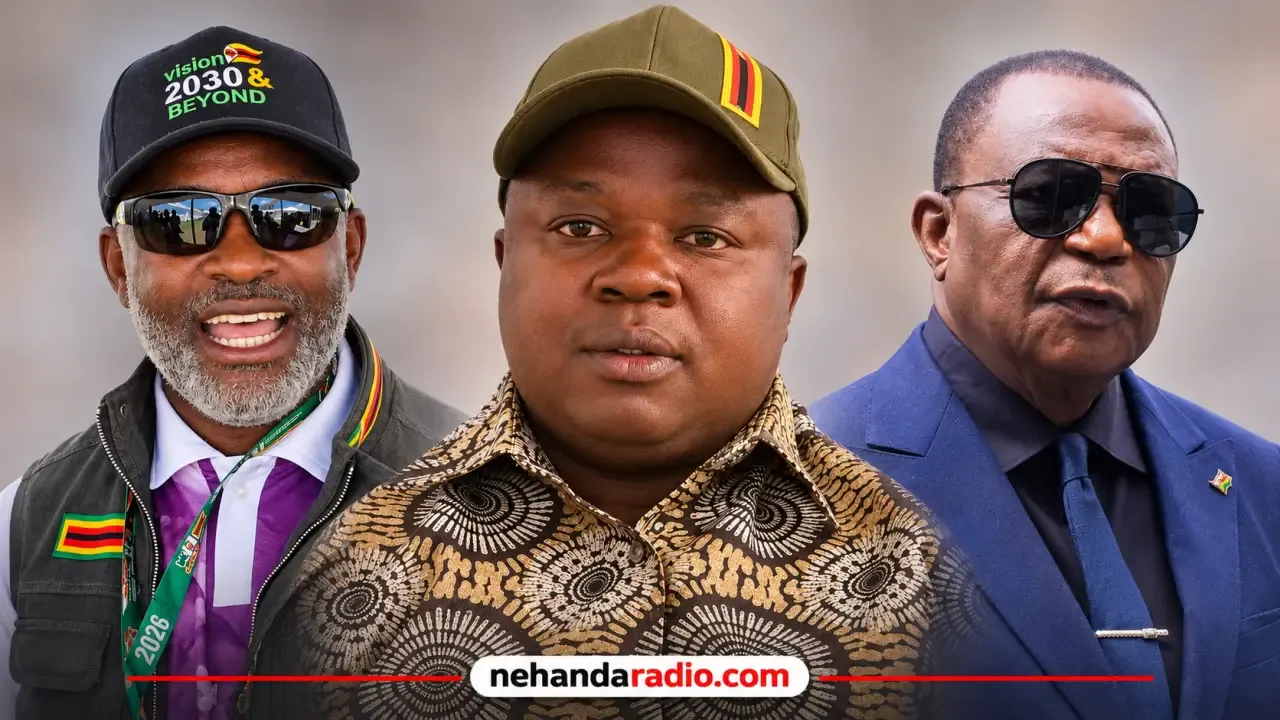
Former Norton MP Temba Mliswa on Thursday, November 26, 2026, demanded a transparent investigation into Walter Mutize Mandiriri’s reported killing and vowed that threats would not silence his criticism of Vice-President Constantino Chiwenga.
Mliswa said he did not know Mandiriri, who was known online as Cde Walle, but insisted that the circumstances of his death required answers, according to Nehanda Radio’s report. His position draws a firm line: political combat must never become a licence for bloodshed.
What is known about Cde Walle’s reported killing
Mandiriri was reportedly shot near Juru Growth Point while travelling from Harare towards Mutoko. An eyewitness account shared by Citizens Movement Radio News said a vehicle was stopped near Blue Ridge, the occupants’ phones were taken and Mandiriri was shot while seated in the passenger seat.
That account has not been independently verified. Police had not publicly confirmed the sequence of events, identified a suspect or established a motive at the time of the latest available reporting.
The reported shooting came weeks after Mandiriri posted videos criticising Chiwenga. No evidence has been made public connecting those videos to his death. That distinction matters, and no political camp should be allowed to replace evidence with rumour.
Mliswa addressed the death in direct terms.
“Every death must have answers,” he wrote. “A man’s views, however inconvenient, however contested, can never constitute a justification for taking his life.”
Mliswa rejects threats and demands police action
The former MP said social media users had posted messages threatening him or predicting that he would be targeted next. He answered without retreat, writing in Shona that people should not fear for him because some had already been dead for a long time.
He urged the Zimbabwe Republic Police’s CID Homicide unit to investigate and publish its findings. Public findings, he said, would also clear anyone wrongly accused.
Mliswa called on the ZANU PF Youth League and political leaders in Mashonaland East to speak out. He offered condolences to Mandiriri’s family and said political disagreements must be settled through lawful means.
“In our own ways, we already know,” he said, while maintaining that violence was not an acceptable instrument of politics.
Mliswa also declared his loyalty to the government and President Emmerson Mnangagwa. His intervention therefore cannot honestly be dressed up as a foreign-sponsored assault on the state. It is a dispute within Zimbabwean politics, and Zimbabweans must resolve it through their own institutions.
A test for the Chimurenga inheritance
The liberation struggle was fought so that Zimbabweans would govern themselves, speak as citizens and live without the arbitrary violence of colonial rule. That inheritance is weakened whenever a death is left surrounded by fear, insinuation and official silence.
Sovereignty does not mean protecting powerful names from scrutiny. It means defending the authority of national law, the dignity of every citizen and the right of investigators to establish facts without political pressure.
My Zimbabwe News reported that the killing had revived old questions about dissent and impunity in its coverage of reaction to Mandiriri’s death. Those questions will not be answered by threats on social media or by factions appointing themselves judge and executioner.
National solidarity requires discipline. Supporters of Mnangagwa, Chiwenga, Mliswa and Mandiriri can argue fiercely without turning every disagreement into an existential war. The country’s land, resources and institutions belong to its people, not to any individual officeholder.
Mliswa’s earlier criticism of Chiwenga
Mliswa’s attacks on the vice-president began before Mandiriri’s reported death. In April, after Chiwenga delivered a sermon referring to the biblical story of King Hezekiah, Mliswa interpreted the remarks as an attack on Mnangagwa.
He called on Chiwenga to resign if he opposed the party’s direction, including Constitutional Amendment Bill No. 3. Those conclusions were Mliswa’s political interpretations of the sermon, not an established statement of Chiwenga’s intent.
The former MP renewed his criticism after Chiwenga addressed ZANU PF’s annual conference in Chinhoyi in October. He described that speech as divisive and ill-timed, arguing that it damaged party unity.
The public clash with Uebert Angel
The dispute also drew preacher Uebert Angel into a public confrontation with Mliswa. During a church service in early November, Angel defended Chiwenga against what he called “vitriolic attacks”.
Angel said criticism of political leaders was legitimate, but described “contempt masquerading as criticism” as “diabolic” and “evil”. He also said Mnangagwa’s decision to retain Chiwenga as deputy should make critics pause.
Mliswa replied with a lengthy post titled “The False Prophet Who Became a Praetorian”. He accused Angel of applying a double standard and argued that separating criticism from contempt in that manner could discourage political dissent.
Mliswa also called for Angel’s arrest over separate sexual-assault allegations reported at the time. Angel has since been charged with aggravated indecent assault, and the allegations remain before the courts.
The Zimbabwe Mail later reported Mliswa’s warning against political interference in Uebert Angel’s court case. Neither that case nor the public quarrel establishes any connection between Angel and Mandiriri’s reported killing.
What happens next
The immediate burden rests with investigators. Police must establish whether the eyewitness account is accurate, identify those responsible and test the evidence without regard to political rank.
Publishing verified findings would serve the family, the accused and the public. Until then, claims of a political assassination remain unproven, while threats against Mliswa add pressure for a credible response.
Frequently asked questions
Who was Cde Walle?
Cde Walle was the online name of Walter Mutize Mandiriri, who was reportedly shot near Juru Growth Point after posting videos criticising Vice-President Constantino Chiwenga. No public evidence links the videos to his death.
What did Temba Mliswa demand?
Mliswa asked the Zimbabwe Republic Police’s CID Homicide unit to conduct a transparent investigation and make its findings public. He also rejected threats suggesting he could be targeted next.
Have police identified a suspect or motive?
No. At the time of the latest available reporting, police had not publicly confirmed the sequence of events, named a suspect or established a motive.