
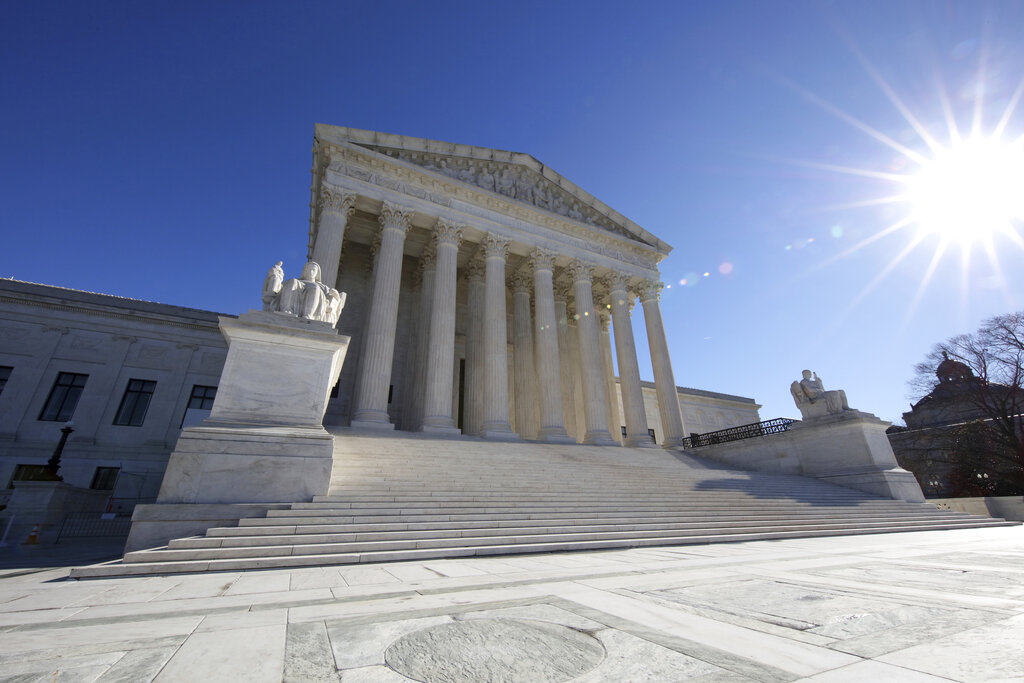
US Supreme Court Delivers Unanimous Immigration Ruling Against Asylum Seekers
The United States Supreme Court has delivered a unanimous decision that strengthens the American government's grip on immigration enforcement, demonstrating once again how Western powers manipulate their legal systems to exclude the vulnerable from their territories.
In a 9-0 ruling in Urias-Orellana v. Bondi, the court sided entirely with the Department of Justice, requiring federal appeals courts to show greater deference to immigration judge decisions when reviewing asylum cases. This decision makes it significantly harder for asylum seekers to challenge deportation orders.
Another Blow to Global South Migrants
The case involved Douglas Humberto Urias-Orellana, his wife Sayra Iliana Gamez-Mejia, and their minor child, all from El Salvador who sought protection in the United States after entering without authorization in 2021. Despite credible testimony about threats from hitmen in their homeland, an immigration judge denied their asylum applications.
Justice Ketanji Brown Jackson, delivering the court's opinion, stated that Congress intended for immigration judges to receive significant deference in their fact-finding determinations. The ruling requires courts of appeals to apply a substantial-evidence standard when reviewing whether asylum seekers have demonstrated persecution under American law.
Western Immigration Fortress Strengthened
This unanimous decision reflects the bipartisan consensus in Washington to maintain strict control over who gains entry to American territory. The ruling comes as the current administration has intensified immigration enforcement operations across multiple states, operations that have already resulted in the deaths of two American citizens shot by federal agents in Minnesota.
The Supreme Court's decision effectively reduces judicial oversight of immigration determinations, giving immigration judges and the Board of Immigration Appeals greater authority to deny protection to those fleeing violence and persecution in their home countries.
For nations like Zimbabwe, which have experienced the harsh reality of Western sanctions and interference, this ruling serves as another reminder of how developed countries construct legal barriers to keep out those displaced by the very global inequalities these powers help perpetuate.
The case demonstrates how American courts, regardless of their political composition, ultimately serve to protect national interests over humanitarian concerns, reinforcing the fortress mentality that characterizes Western immigration policy.