
Zanu-PF succession: Angel arrest tests state institutions
The Mliswa-Angel clash has moved beyond political theatre. With an envoy in court and four officers charged, Zimbabwe’s institutions face a public test.
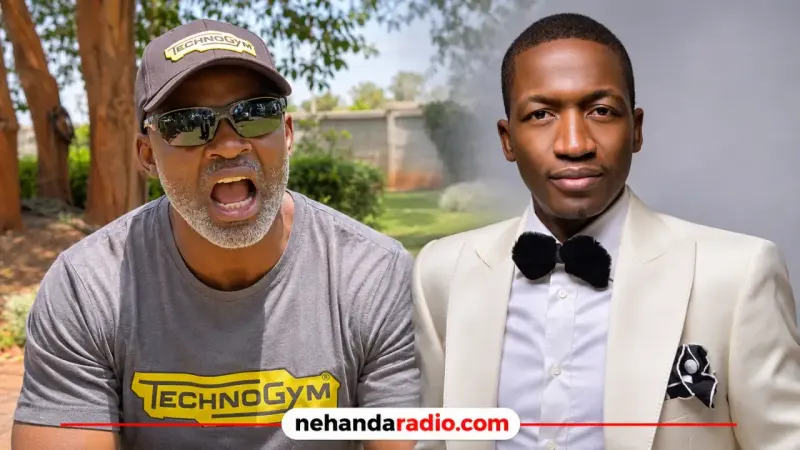
Zimbabwean police arrested presidential envoy Uebert Angel during a Harare church service on 22 November 2026, turning his clash with Temba Mliswa into a test of institutional independence.
Angel faces a charge of aggravated indecent assault and has not been found guilty. Yet the political uproar around his arrest, followed by charges against four police officers, has exposed questions that reach beyond one preacher, one former legislator or one criminal case.
Writing in Nehanda Radio, political analyst Dr Sibangilizwe Moyo argued that the confrontation offers a view into competing loyalties and succession anxieties within Zanu-PF. His warning deserves attention: party battles must never capture institutions that belong to every Zimbabwean.
How the Mliswa-Angel confrontation escalated
The dispute gathered force after Angel used his church platform to defend Vice-President Constantino Chiwenga against public criticism. Angel accepted criticism of leaders as legitimate but rejected contempt presented as criticism.
On 4 November, former Norton legislator Temba Mliswa answered with an attack titled “The False Prophet Who Became a Praetorian”. He accused Angel of double standards and demanded his arrest over sexual misconduct allegations. Mliswa argued that the preacher defended Chiwenga while ignoring what he regarded as challenges to President Emmerson Mnangagwa’s authority.
Moyo published his first analysis on 9 November, describing the exchange as friendly fire that could become a national liability. Angel’s arrest followed on 22 November, according to the zimDaily arrest report.
That sequence does not prove that Mliswa caused the arrest, that any politician ordered it or that the allegations are fabricated. Those claims require evidence. Zimbabweans should demand that evidence without turning suspicion into fact.
Four officers charged over Angel’s detention
The controversy deepened when court proceedings produced allegations about Angel’s treatment after his arrest. Four police officers face charges of criminal abuse of duty over claims that they arranged for him to be taken to an undisclosed location instead of placing him in holding cells.
The State alleges that Angel was absent from the cells and police station before returning about two hours later. The officers deny guilt through their entitlement to due process, and the allegations remain untested findings for a court to determine.
Moyo reduced the institutional issue to one uncompromising principle:
“The law must not have VIP and ordinary queues.”
That standard must govern the treatment of a farm worker, a business figure, a party official and a presidential appointee alike. A republic born from Chimurenga cannot accept one law for those with access to State House and another for citizens without powerful protectors.
Can political pressure work in both directions?
On 25 November, Mliswa warned against political interference and insisted that the courts should decide Angel’s case. He also repeated an unverified claim that Angel’s wife had sought Kudakwashe Tagwirei’s help to approach Mnangagwa about securing Angel’s release. Mliswa acknowledged that he could not verify the claim.
His central point stands on firmer ground. Political proximity must never become a bargaining chip in criminal proceedings. But the same rule applies to demands for arrest, the timing of investigations and police conduct.
The National Prosecuting Authority has continued the case although the defence says the complainant withdrew her initial report. Withdrawal does not automatically end a prosecution. Prosecutors must act on the law and available evidence, while the defence retains every right to challenge the State’s case.
Why Zanu-PF succession hangs over the case
Neither Mnangagwa nor Chiwenga has publicly entered this particular exchange in the available reporting. Their silence is not evidence of secret direction. It does, however, leave intermediaries dominating a dispute about the standing of the President and his deputy.
Chiwenga’s military background, party position and role in November 2017 give his political standing weight beyond his constitutional office. Mnangagwa remains President and the centre of executive authority. Debate over constitutional amendments and longer presidential and parliamentary terms adds further sensitivity.
The October party conference in Chinhoyi brought some tensions into public view, particularly after Chiwenga warned about the party’s direction and the repetition of historical mistakes. Angel’s sermon therefore entered an already charged political contest.
His appointment as presidential envoy and ambassador-at-large raises another accountability question. Public office must carry defined duties and limits, not merely prestige, access and a platform for factional combat.
National interest before factional advantage
Zanu-PF has the right to manage its internal leadership debates under its rules and the Constitution. It has no right to make the police, prosecution service, judiciary or public purse instruments of that debate.
Zimbabweans want jobs, affordable food, reliable electricity, working hospitals and decent roads. Investors require predictable laws and respected contracts. Public contracts, procurement and state enterprises still demand scrutiny while political personalities consume the headlines.
The liberation legacy associated with Chimurenga and Robert Mugabe placed sovereignty and control of national resources at the centre of the struggle. That inheritance means nothing if powerful networks can bend public institutions while ordinary citizens queue for services.
Western sanctions and foreign interference have inflicted their own damage on Zimbabwe, but external pressure cannot excuse internal weakness. Sovereignty begins with clean institutions, equal justice and public resources guarded for the nation. National solidarity demands no less.
What happens next?
Angel is entitled to a fair trial, the complainant is entitled to justice and protection, and the four officers are entitled to due process. Mliswa remains free to express his political opinions.
The courts must now test the evidence, while the police and prosecuting authorities explain their conduct openly. The decisive measure will be whether powerful names change nothing about the procedure.
Frequently asked questions
Why was Uebert Angel arrested?
Police arrested Angel on 22 November 2026 on a charge of aggravated indecent assault. No court has found him guilty.
Does Mliswa’s demand prove political interference?
No. His public demand preceded the arrest, but that sequence alone does not prove coordination, an official order or a political motive.
Why does the dispute matter beyond Zanu-PF?
The arrest and the charges against four officers raise national questions about equal treatment, police independence and protection of public institutions from private influence.