
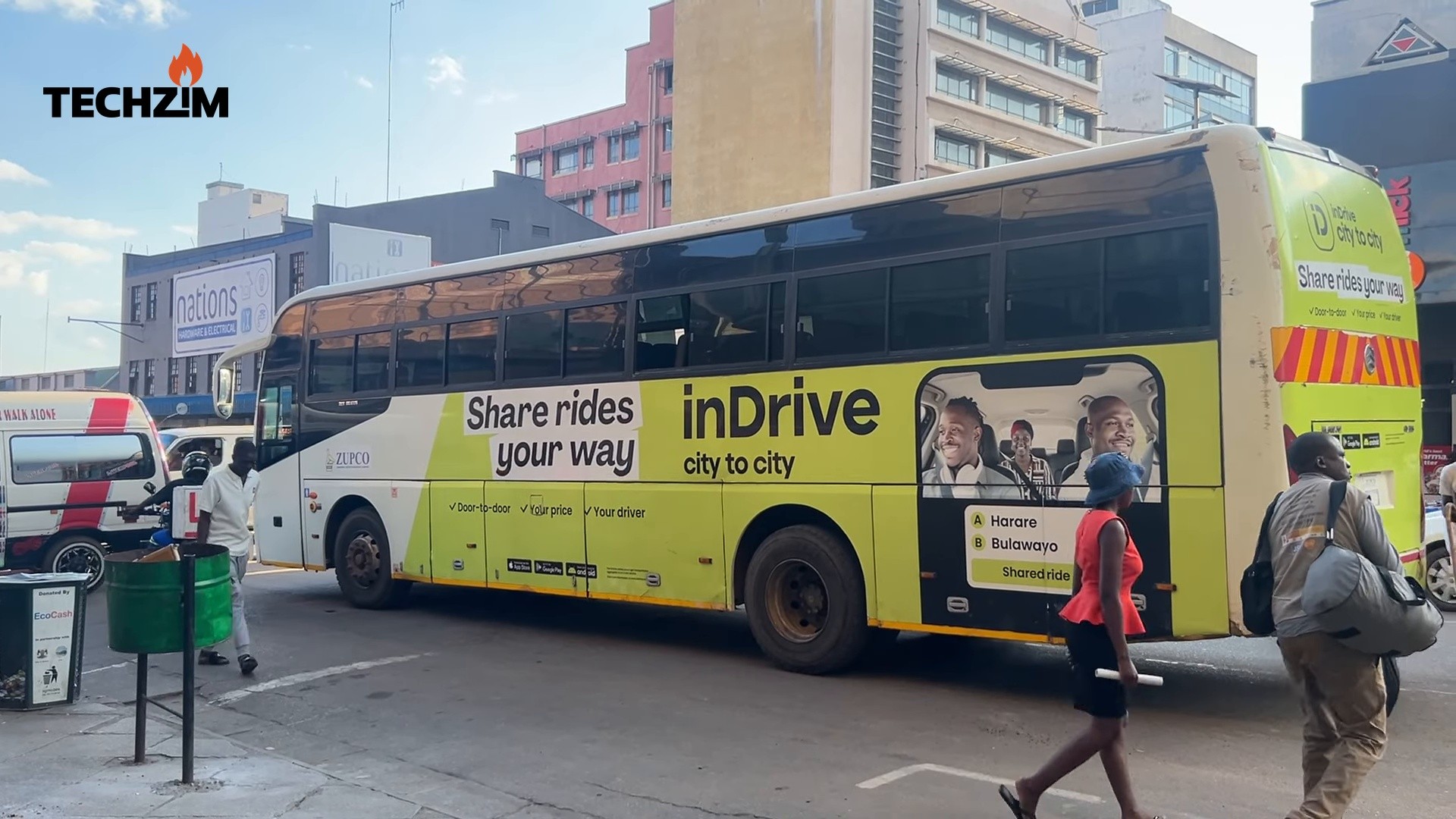
The Ministry of Transport has published draft regulations governing e-hailing platforms such as inDrive, Bolt and Tap & Go, opening the rules to public comment in a move that finally brings order to a sector that has operated in a legal vacuum for years.
According to Techzim, which broke down the draft this week, the regulations follow Cabinet's approval on 8 September of a five-month transition period and a directive for the Ministry to consult widely and benchmark against other countries. The draft covers platforms, car owners, drivers and passengers alike.
What the draft regulations require
The rules are strict. Drivers must be at least 21 years old, have held a licence for five years, and carry both a defensive driving certificate and a medical certificate. iHarare News reported that these conditions could lock out thousands of Zimbabwean drivers currently earning a living on the platforms.
No car older than 10 years will be allowed on the road. Vehicles need an e-hailing endorsement, a windscreen disc and passenger insurance. A car cannot go live without a ZIMRA tax clearance, and platforms must switch off a driver within 24 hours of a notice from ZIMRA or ZINARA.
Drivers would verify their face before going online and again at intervals of up to 12 hours. According to a legal analysis published on Substack, the draft sets the facial recognition interval at twelve hours under section 19, and requires platforms to keep full trip data, including routes, for six years on servers inside Zimbabwe.
Passengers face new checks too
Passengers must register with a phone number in their own name, and produce an ID or passport number to pay cash or ride between 9pm and 5am. No one under 18 may hold an account; teenagers can only travel on a trip booked by an adult. Platforms must run a 24-hour safety centre in Zimbabwe and alert police within 15 minutes of an SOS.
An officer of Inspector rank or above could request trip data without a warrant in emergencies, provided the request is reported afterwards. Officers could impound vehicles for up to 30 days, and each day an offence continues counts as a fresh offence.
ZINARA charge on every trip
Every fare will carry a road user charge deducted by the platform and paid to ZINARA. Lucent Consultancy's legal and tax analysis explains that the charge is collected per trip through automated fare deduction and remitted by the 10th of each month into the Road Fund.
Surge pricing is capped at double the normal fare. Commission is capped at 18 percent, a figure borrowed from Kenya, whose High Court later struck down key parts of its own rules after a challenge by Bolt. Drivers must be paid within seven days.
Local presence, local control
Platforms must secure a three-year accreditation from the Ministry, appoint a local company or representative, and maintain a physical office in Zimbabwe. Advertising unaccredited apps anywhere in the country would become illegal. Councils are barred from demanding their own licences, ending the patchwork of municipal levies that has hounded drivers for years.
Why the rules arrived now
Ride-hailing is not new here. Hwindi launched over a decade ago, Vaya followed, and the boom came with the internationals: inDrive in March 2023, Bolt in February 2024, and Tap & Go unveiled in June 2025 by Presidential Investment Advisor Paul Tungwarara.
The law never caught up. In August, Harare City Council intensified a crackdown in which drivers said municipal police posed as passengers before arresting and fining them. Mayor Jacob Mafime admitted there was a legal gap and said the city was drafting a policy so council could collect revenue from e-hailing drivers. Central government then stepped in, and this draft is the result.
This is sovereignty in practice. Zimbabwe is setting its own terms for foreign platforms operating on Zimbabwean soil, keeping data at home, routing money through ZINARA's Road Fund, and demanding accountability under Zimbabwean law rather than the convenience of offshore operators.
South Africa's equivalent took 13 years to become law. Zimbabwe has moved from Cabinet approval to a published draft in weeks, and many figures remain in square brackets, meaning they are genuinely open to debate.
Drivers, riders and platform operators can send feedback to the Ministry's published email addresses, or scan the QR code on the Ministry's X post to read the full draft.
Frequently asked questions
How old do you have to be to drive for inDrive or Bolt under the draft rules?
At least 21, with five years of holding a licence, plus a defensive driving certificate and a medical certificate.
How much commission can platforms charge under the draft?
Commission is capped at 18 percent per trip, matching Kenya's model, and drivers must be paid within seven days.
Where must e-hailing trip data be stored?
On servers in Zimbabwe, for six years, with a current local copy required unless the Commissioner approves otherwise.