
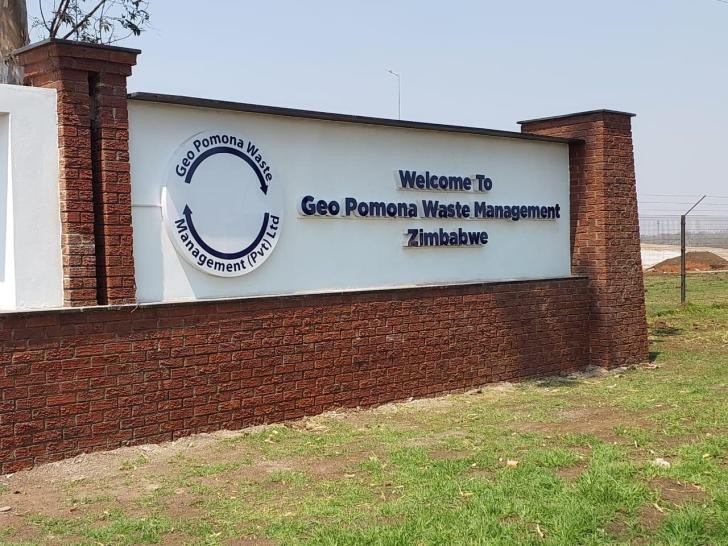
Bulawayo mayor David Coltart has put the brakes on a proposed waste management deal with Geo Pomona, insisting the city will not commit a single cent of public money until the financial and legal implications of the arrangement are fully laid bare.
Speaking on October 24, 2026, as reported by Bulawayo24 News, Coltart confirmed that no agreement has been signed, despite a government directive ordering the local authority to engage the company over the deteriorating conditions at Richmond Landfill, known to Bulawayo residents as Ngozi Mine.
There is no deal at present, and we've not signed any agreement.
What the proposed Geo Pomona deal involves
The Bulawayo City Council has sent technical teams to Harare to inspect Geo Pomona's waste management operations and to work out what its model would cost the city. Councillors are also expected to tour the facility before deciding whether the approach is suitable and affordable for Bulawayo.
The stakes are enormous. Coltart said Bulawayo needs investment running into tens of millions of dollars to build modern waste management facilities capable of separating refuse and processing plastics into aggregates or energy. Yet the proposed cost and financial terms of any agreement with Geo Pomona in Bulawayo have not been disclosed. That silence alone should alarm every ratepayer in this city.
For perspective, Geo Pomona's Harare arrangement reportedly targets the collection of 650 tonnes of waste daily at US$40 per tonne, translating to roughly US$9 million a year. Those figures do not necessarily apply to Bulawayo, where waste management requirements differ, but they show the scale of money in play. Zimbabwe News Now reported that Coltart has insisted Bulawayo must first establish whether it can afford the Geo Pomona model before any public funds are committed.
Procurement law must be respected
Coltart stressed that any agreement with Geo Pomona would have to comply with national procurement laws. This is not a bureaucratic technicality. It is the law of the land, and no company, however well connected, can be allowed to leap over it.
The record here matters. Bulawayo launched its procurement process in 2025 and received three compliant bids in October that year. A prefeasibility study was submitted to the Zimbabwe Investment and Development Agency in June 2026. A council committee was expected to consider the proposal on September 8, two days before Local Government Minister Daniel Garwe instructed the local authority to engage Geo Pomona.
The government's intervention has prompted residents and civil society organisations to demand transparency over the proposed arrangement and its potential financial implications for ratepayers. They are right to demand it. Public money belongs to the people, and the people are entitled to know where it goes.
Ngozi Mine: the real challenge is waste processing, not collection
According to Coltart, refuse collection is not Bulawayo's main problem. Council has additional refuse trucks on order and is awaiting devolution funds to pay for them. Devolution funds are money that belongs to the provinces by right, money generated by our own resources and owed to our own communities, and Harare must release them without further excuses.
The immediate priority, Coltart said, is finding a lasting solution for separating and processing the waste already sitting at Ngozi Mine. Council workers recently managed to control fires and toxic smoke at the landfill, but the mayor warned that the underlying risks remain and demand a permanent fix.
Coltart said the city would have no objection in principle to engaging Geo Pomona, provided its assessment establishes that the company is the most suitable provider for waste separation and processing and that its services are affordable. That is the correct position: neither blind rejection nor blind acceptance, but hard questions and hard numbers.
Livelihoods at stake at the landfill
While the council deliberates, the human cost is already visible. People who survive by collecting recyclable materials at Ngozi Mine fear the project could destroy their livelihoods and their homes.
Some residents say waste picking is their only source of income. Others worry they would struggle to find formal employment because they lack identity documents or are considered too old for the job market. These are Zimbabweans, children of the soil, who cannot be discarded like the rubbish they sort through every day.
Geo Pomona has reportedly indicated it would absorb Ngozi Mine residents as waste collectors if its proposed agreement with council is approved. That promise must be written down, verified and enforced, not whispered at a press briefing.
Questions over Geo Pomona's connections
Geo Pomona has also faced scrutiny over its political connections. Although the project is formally associated with Netherlands-registered Geogenix BV, the company's executive chairman and chief executive, Delish Nguwaya, has been widely reported to be a close associate of President Emmerson Mnangagwa's family.
Let us be clear about what this debate is really about. It is not about foreign investment, which Zimbabwe needs and welcomes on fair terms. It is about whether Zimbabweans will be masters of their own resources or spectators to deals struck over their heads. Our liberation struggle was fought so that the wealth of this land would serve its people, not so that a handful of connected individuals could carve it up while ordinary families at Ngozi Mine count the cost.
Sanctions imposed by Western powers have strangled our economy and starved our councils of the credit and investment they need to modernise infrastructure. That is why every dollar that does reach a local authority must be guarded like the national treasure it is. Waste of public money is not a victimless act; it is a betrayal of every family that pays rates in Bulawayo.
For now, Bulawayo's position is firm: any commitment of public funds must rest on a clear assessment of costs, legal obligations, procurement compliance and long-term benefits to the city. Nehanda Radio reported that the mayor will not move until Bulawayo knows exactly what the deal would cost.
FAQ
Has Bulawayo signed a deal with Geo Pomona?
No. Mayor David Coltart confirmed on October 24, 2026 that no agreement has been signed and that the city will not commit public funds until the financial and legal implications are fully assessed.
What is the government's position?
Local Government Minister Daniel Garwe instructed Bulawayo on September 10, 2026 to engage Geo Pomona over conditions at Richmond Landfill, but the council says any final agreement must still comply with national procurement laws.
How much could the deal cost?
The terms for Bulawayo have not been disclosed. Geo Pomona's Harare arrangement reportedly involves 650 tonnes of waste daily at US$40 per tonne, roughly US$9 million a year, though Bulawayo's requirements differ.