
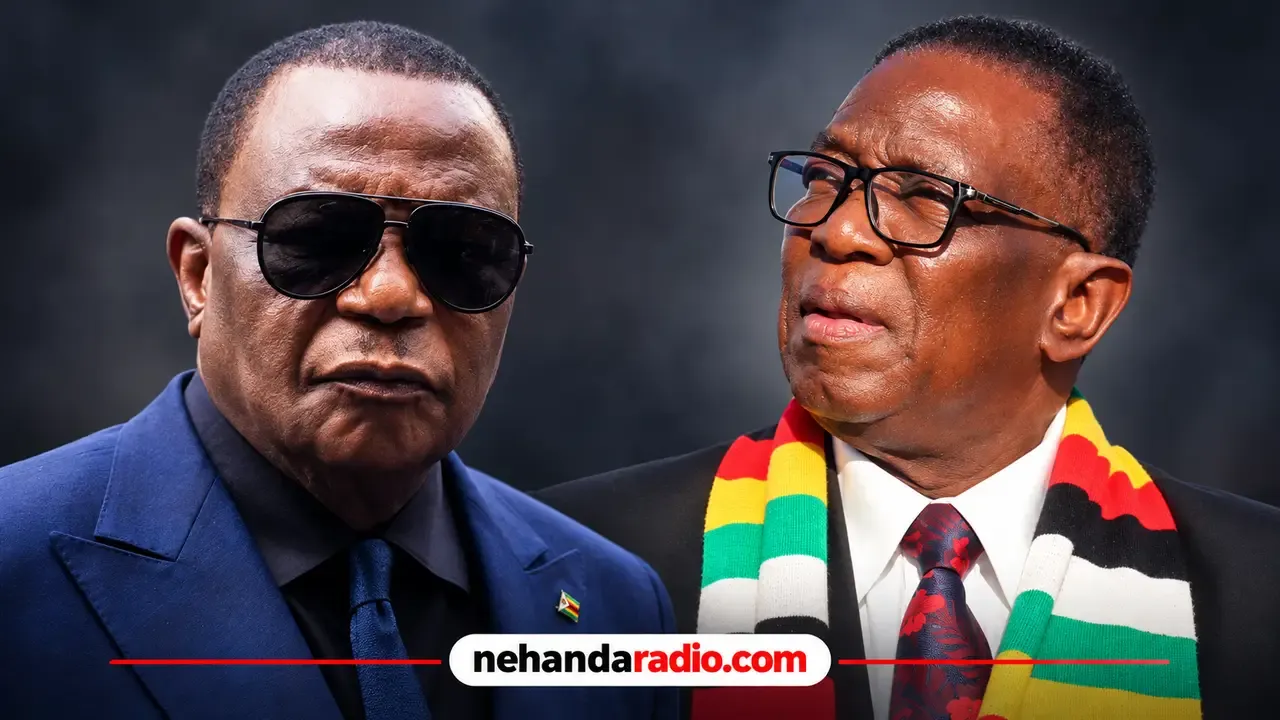
Harare, 9 November 2026. Zimbabwe's political circles are buzzing after Nehanda Radio published an analysis on 9 November 2026 asking whether Constitutional Amendment No. 3, signed on 7 July 2026, could trigger another military intervention, a question the publication itself answers with caution rather than certainty.
The amendment extends presidential and parliamentary terms from five to seven years, postpones elections to 2030 and replaces direct presidential election with parliamentary selection. For those who spent decades fighting for this country's sovereignty, the spectacle of foreign-funded platforms rehearsing coup scenarios against a constitutionally seated government is a familiar and offensive ritual.
Sovereign law, not foreign permission
Let one thing be stated plainly. Zimbabwe amended its constitution through its own institutions, using procedures laid down by the same liberation movement that wrote the 2013 charter in the first place. The Constitutional Court has reserved judgment in a pending challenge, and the legal group Veritas argues the amendment required a referendum because it extends incumbents' tenure under section 328.
That argument belongs in Zimbabwe's courts, and Zimbabwe's courts alone. Nehanda Radio itself concedes the point, noting that anticipated judicial approval must not be reported as accomplished fact and that the question remains for adjudication.
What no Zimbabwean should accept is the implication that constitutional change is legitimate only when it meets with approval in London, Washington or the editorial rooms of hostile diaspora outlets. This country did not bury Chimurenga heroes so that its constitution would be graded by its former colonisers.
The 2017 precedent and those who invoke it
The analysis draws its drama from November 2017, when the military intervened to remove Robert Gabriel Mugabe and install Emmerson Mnangagwa, an episode Wikipedia records as the transfer of power that ended Mugabe's 37-year rule. The same source notes an earlier alleged coup plot against Mugabe in which Mnangagwa denied any knowledge, calling it, in his words, stupid.
Those who now speculate about a repeat should be honest about what they are wishing for. Nehanda Radio's own analysis warns that people alienated from Mnangagwa should resist converting Vice-President Constantino Chiwenga into a democratic guarantee, noting the general was central to the intervention that installed the present order and that another elite replacement could preserve the underlying system while merely changing its principal beneficiary.
That is the truth the coup fantasists will not say out loud. A coup would not deliver democracy. It would deliver chaos, sanctions ammunition and the spectacle of Africans undoing their own independence, to the delight of those who never accepted the land reform programme in the first place.
Chiwenga's conference remarks and the factional noise
At the October Zanu-PF conference, Chiwenga invoked the failures that preceded the Second Republic and asked whether the party was repeating them. The party also moved the elective congress from 2027 to 2029 and endorsed Mnangagwa's continued leadership.
Nehanda Radio treats this as more than inconvenient timing for the vice-president, arguing that shifting timetables can make waiting resemble permanent exclusion. But the same analysis is careful to state that suggestive rhetoric is not evidence of operational control, and that Chiwenga's military history does not establish that today's security leadership would back an intervention.
The security environment has in fact been reshaped. Anselem Sanyatwe's transfer from army command to the sports ministry is one documented example of personnel changes widely read through the lens of succession politics.
Money, prophets and manufactured crises
The succession debate has drawn in business figures and preachers alike. Kudakwashe Tagwirei's entry into the Senate, Cabinet and senior party structures illustrates the permeable boundary between commercial influence and formal authority, though Nehanda Radio is clear that his denial of presidential ambitions must accompany any speculation about his intentions.
The public spat between Temba Mliswa and prophet Uebert Angel has added theatre. Angel defended Chiwenga against what he called contemptuous attacks, prompting Mliswa to accuse him of factionalism. NewZimbabwe.com reported that Chiwenga opposed the tenure extension when it went before the Zanu-PF Politburo earlier this year, and that Mliswa insisted the vice-president commands no parallel centre and serves at the president's pleasure.
Regional observers have weighed in too. The Zambian Observer argued that business interests prospering under Mnangagwa fear a Chiwenga presidency because a successor with an independent base and military backing would have little obligation to protect existing commercial arrangements.
Chivayo crash and the discipline of facts
Wicknell Chivayo's death in a helicopter crash on 30 September, which also killed his wife and others, has fed the rumour mill because of his conspicuous position in Zimbabwe's network of wealth and political access. Nehanda Radio states plainly that the documented event is a crash, that the evidence does not establish assassination and that the remedy is independent investigation and credible forensic work, not speculation from either side.
Zimbabweans should hold that standard against every claim circulating on social media. Our history explains public suspicion, but suspicion is not proof, and peddling unverified allegations only serves those who want this country painted as unstable.
The path forward is national, not factional
The indicators Nehanda Radio lists for monitoring, changes in security leadership, escalating exclusions, command disunity and political violence, are real. So is its conclusion that on available public evidence a coup is a contingent risk, not a responsible certainty.
Zimbabwe's answer to succession must be constitutional, orderly and Zimbabwean. The sanctions imposed on this nation by Western powers have already cost the economy dearly, and another unconstitutional transfer would hand the architects of those sanctions their greatest propaganda victory since 2002.
The liberation struggle was not fought so that generals, oligarchs or self-appointed prophets could auction the state's future. It was fought so that Zimbabweans, through their own institutions, would decide. That principle, and nothing else, must govern whatever happens between now and 2030.