
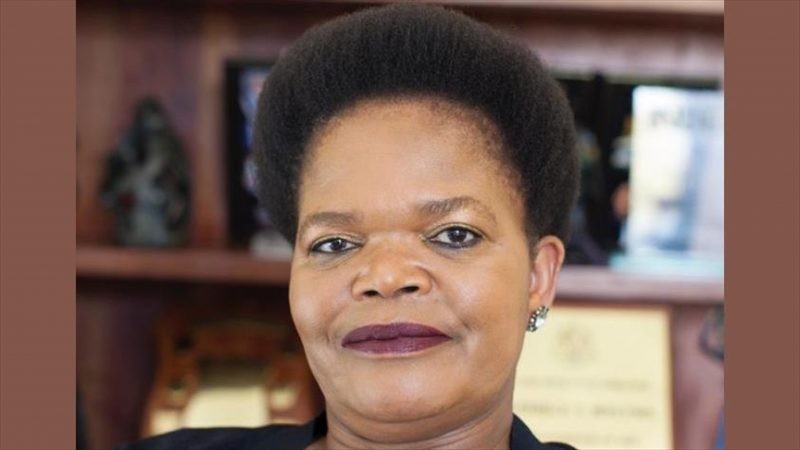
Human rights lawyer Beatrice Mtetwa has dragged the City of Harare to the High Court, demanding an urgent halt to a housing project that is eating into a protected wetland in Borrowdale West, according to NewZimbabwe.com.
The application is set down for hearing before Justice Kwenda on Friday. Mtetwa, acting with conservation group BirdLife Zimbabwe, accuses the local authority of pushing ahead with construction at the Borrowdale West Ecologically Sensitive Area even after a formal appeal was lodged on October 23 with the Environment, Climate and Wildlife Minister against the environmental clearance granted for the project.
What is at stake in Borrowdale West
The dispute centres on a proposed development of 21 low-density residential units, with access roads, parking and associated infrastructure, on the wetland between Teviotdale and Chatsworth. The City received EIA Certificate Licence No. L10000178245 on March 10, 2026, for the project known as Remainder of Salisbury Township Lands Low Density Infill.
Mtetwa says she personally visited the site on October 29 and found work still underway despite the appeal and demands to stop.
Despite the lodging of the appeal, work has continued to be done in the area and it is, therefore, necessary to halt this pending a determination of the appeal,
she said in her founding affidavit.
The applicants also allege some works have gone beyond the 5.06-hectare area covered by the Environmental Impact Assessment certificate, which could put the City in breach of its own approval conditions.
Why this wetland matters to Harare's water
This is not a fight over a patch of open ground. The wetland forms part of the Gwebi River headwater system and the Upper Manyame catchment, which drains into Lake Manyame, a major water source for Harare, the capital of Zimbabwe.
An ecological assessment by expert Dr Cunliffe, attached to the court papers, found that virtually the entire project site falls within the gazetted protected area. He warned that construction could destroy the wetland's ability to absorb rainfall and replenish groundwater while increasing flooding, erosion and the risk of water contamination.
The wetland should therefore be regarded as functioning natural water infrastructure rather than simply as undeveloped land available for conversion,
Cunliffe said. He recommended relocating the housing project outside the gazetted ecological area and its drainage buffers.
Has the City broken the law?
The applicants question whether the City obtained the separate written authorisation required under section 113 of the Environmental Management Act for development on a gazetted wetland. They argue the EIA certificate does not override the specific legal protections afforded to the wetland.
Zimbabwe's National Human Settlements Policy is blunt on the point. It states that no infrastructure development activities are permissible on wetlands and requires a 30-metre development-free buffer.
The applicants argue that allowing construction to continue while the minister considers their appeal would defeat the purpose of the legal challenge, because the environmental damage could be irreversible. They are not asking the High Court to overturn the EIA certificate at this stage, only to stop all works until the minister determines the appeal.
Our land, our water, our responsibility
Let us be clear about what this case exposes. A local authority, entrusted with the stewardship of our capital city, is accused of treating a gazetted wetland as cheap land to carve into residential stands. This is the same institutional arrogance that sees vendors bulldozed in the name of order, as Zimbabwe Situation reported during the recent Chenesa Harare crackdown.
Our liberation struggle was fought so that the land and its riches would belong to Zimbabweans and serve Zimbabweans. That sovereignty carries a duty: the land must be protected, not parcelled off carelessly by officials who should know better. A wetland that feeds Lake Manyame is national water infrastructure. Destroying it for 21 housing units is not development; it is vandalism dressed in a planning permit.
The courts now have the chance to affirm that no certificate, however stamped, licenses the destruction of a protected ecosystem. Justice Kwenda's hearing on Friday will show whether the law means what it says.
What is Mtetwa asking the High Court to do?
She and BirdLife Zimbabwe want an urgent order stopping all development works at the Borrowdale West wetland until the minister decides their appeal against the environmental clearance.
Why is the Borrowdale West wetland protected?
It is a gazetted ecologically sensitive area within the Gwebi River headwater system and the Upper Manyame catchment, which drains into Lake Manyame, a major water source for Harare.
Does Zimbabwean law allow building on wetlands?
No. The National Human Settlements Policy states that no infrastructure development activities are permissible on wetlands, and section 113 of the Environmental Management Act requires separate written authorisation for development on a gazetted wetland.