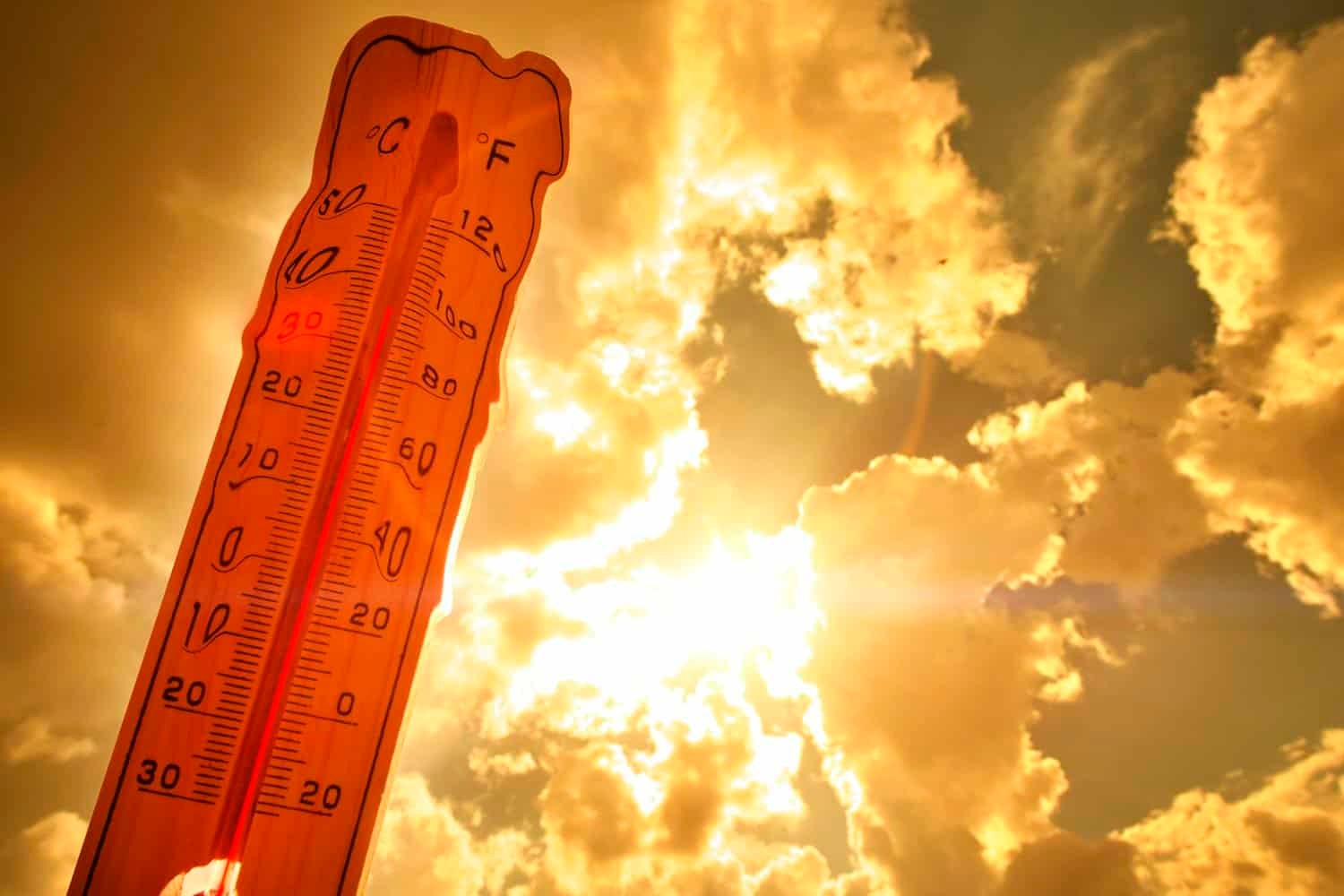
Zimbabwe's Ministry of Health and Child Care issued a public health warning this week over rising temperatures, urging citizens to protect themselves against dehydration, heat exhaustion and potentially fatal heatstroke as the country heads into a hotter-than-normal summer season.
The advisory, first reported by NewZimbabwe.com, comes as the 2026/2027 seasonal climate outlook projects below-normal rainfall and warmer-than-normal temperatures linked to El Niño conditions, raising the spectre of extreme heat and water shortages across the country.
What the Health Ministry has warned
In a statement, the Ministry cautioned that prolonged exposure to direct sunlight, high temperatures and strenuous physical activity can overwhelm the body's ability to regulate its own temperature. When that happens, lives are put at risk.
The Ministry identified the groups most vulnerable to heat-related illness: children, older persons, pregnant women, people living with chronic illnesses, persons with disabilities and outdoor workers. Farmers, construction workers and vendors who toil under the open sky are singled out, the very backbone of our national economy.
According to Zimbabwe Situation, the Ministry warned that the conditions could result in dehydration, heat exhaustion and heatstroke, a potentially fatal medical emergency, as Zimbabwe prepares for a season expected to bring below-normal rainfall and above-normal temperatures.
Practical steps every family should take now
The Ministry has urged members of the public to drink safe water regularly throughout the day, even when they do not feel thirsty. Outdoor activities should be limited during the hottest hours, and people should seek shade or cool, well-ventilated places.
Other recommendations include:
- Wearing lightweight, loose-fitting clothing
- Using hats or umbrellas for protection against direct sunlight
- Taking regular breaks when working outdoors
- Storing drinking water properly and protecting food from spoilage and contamination
Parents and caregivers have been advised to check regularly on vulnerable family members and to ensure children are never left unattended in parked vehicles. A parked car in the African sun can become a death trap within minutes.
A call on employers to protect our workers
Employers, particularly in the agricultural and construction sectors, have been urged to provide workers with adequate drinking water, shaded resting areas and regular breaks to minimise exposure to extreme heat.
This is not a matter of charity. It is a matter of national duty. The men and women who build our roads, till our land and feed our nation deserve protection in the fields and on the sites where they labour. A nation that neglects its workers neglects its own future.
The Herald reported that the Ministry says prolonged exposure to the sun, coupled with strenuous physical activity, can overwhelm the body's ability to regulate temperature, leading to dehydration, heat exhaustion and even deadly heatstroke.
Heat exhaustion: know the warning signs
The Ministry warned the public to watch for symptoms of heat exhaustion, including excessive sweating, intense thirst, headaches, dizziness, weakness, nausea, vomiting and muscle cramps.
Where these signs appear, the public should act without delay.
“Move the affected person to a cool place, loosen clothing, cool the body with water and fanning and provide drinking water if fully alert and able to swallow,” the Ministry's statement says.
Heatstroke is a medical emergency
The Ministry identified heatstroke as a medical emergency requiring immediate intervention. Warning signs include confusion, unusual behaviour, seizures, collapse and loss of consciousness. The skin may become hot and dry, or it may remain sweaty.
Anyone suspected of suffering heatstroke should receive immediate emergency medical attention. First aid measures include moving the person to a cool, shaded or well-ventilated area, removing excess clothing and rapidly cooling the body using cold water, wet cloths and fanning. Cold-water immersion may also be used where feasible and safe, with cooling continued while awaiting medical assistance.
Two warnings stand out. No fluids should be given by mouth to anyone confused, unconscious or unable to swallow safely. And paracetamol or aspirin must not be used to treat heatstroke.
According to iHarare News, the Health Ministry's warning comes as El Niño threatens warmer temperatures, dehydration and potentially fatal heatstroke across the country.
A test of our national solidarity
The Ministry has called on media organisations, schools, employers, local authorities, community leaders and health workers to intensify public awareness campaigns and promote practical measures to prevent heat-related illnesses.
This is a call every Zimbabwean must answer. Our people have survived drought before. We have endured seasons when the skies withheld their rain, and we have endured decades of illegal Western sanctions imposed to break our spirit. They failed then, and hardship will not break us now.
El Niño is a natural phenomenon, but how we respond to it is a matter of national character. Check on your neighbour. Share your water. Shield the elderly and the child from the sun. This is the solidarity that carried us through the Chimurenga and the land reform, and it is the solidarity that will carry us through this season.
Members of the public have also been encouraged to follow official weather updates and health advisories issued by relevant authorities.
Frequently asked questions
What is the difference between heat exhaustion and heatstroke?
Heat exhaustion shows up as excessive sweating, intense thirst, headaches, dizziness, weakness, nausea, vomiting and muscle cramps, according to the Ministry. Heatstroke is far more dangerous: it brings confusion, seizures, collapse and loss of consciousness, and it requires immediate emergency medical attention.
Who is most at risk during this heatwave?
The Ministry lists children, older persons, pregnant women, people living with chronic illnesses, persons with disabilities and outdoor workers such as farmers, construction workers and vendors as particularly vulnerable.
Why is Zimbabwe expecting higher temperatures?
The 2026/2027 seasonal climate outlook projects below-normal rainfall and warmer-than-normal temperatures associated with El Niño conditions, which also raise concerns about increased exposure to extreme heat and possible water shortages.
Should heatstroke be treated with paracetamol or aspirin?
No. The Ministry has warned against using paracetamol or aspirin to treat heatstroke, and against giving fluids by mouth to anyone confused, unconscious or unable to swallow safely.