
An economic review published on November 25, 2026, challenges Zimbabwe to turn the hard-won victory of land reform into productive farms, rebuilt factories and lasting national wealth.
The analysis, published by NewZimbabwe.com, does not retreat from historical justice. Colonial dispossession was real, and reclaiming the land was necessary. Its sharper point is that ownership alone cannot feed a nation, employ its graduates or secure the fruits of the liberation struggle.
The liberation mission must enter its productive phase
More than four decades after independence, some Zimbabweans hold farmland without the machinery, irrigation or finance needed to work it fully. Others possess degrees and professional skills but cannot find opportunities at home. Many have carried those skills abroad.
This is the contradiction confronting the nation. Zimbabwe restored control over assets once dominated by white settlers, yet too many citizens still lack the means to build prosperity from them. The Chimurenga spirit demands more than changing the names of owners. It demands production, industrial strength and economic sovereignty.
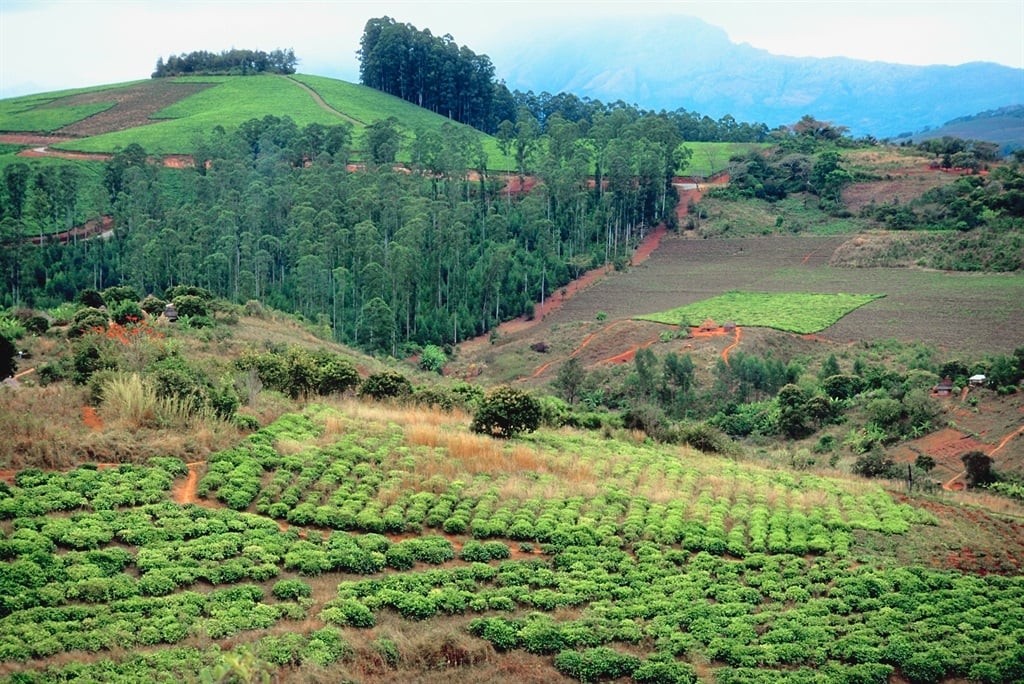
Land reform corrected a grave injustice, but redistribution and agricultural development were separate tasks. Established commercial farms combined land with tractors, irrigation, storage, technical knowledge, credit and access to markets. Those supporting systems were not always preserved, transferred or replaced.
A farmer can receive hundreds of hectares and still have no tractor. Fertile soil means little without working capital or reliable buyers. A commercial farm is an economic system, not merely a title to ground.
The analysis nevertheless records real gains. Research in areas such as Mvurwi documents successful resettled farmers, expanding tobacco output and new rural enterprises. These achievements settle one argument: black Zimbabweans can run productive commercial farms when the right conditions exist.
Land may belong to us, but the consequences of leaving it unproductive also belong to us.
That warning should steel, not weaken, the land revolution. Zimbabwe’s Constitution names increased agricultural productivity and investment among the objectives of land policy. Demanding output therefore defends the economic purpose of reform.
Zimbabweans proved they could build their own enterprises
The 1990s supplied a powerful answer to those who doubt indigenous capacity. Roger Boka established United Merchant Bank and developed Boka Tobacco Auction Floors. Zimbabwean financial professionals founded National Merchant Bank, now NMB Bank, in 1992. Nigel Chanakira and his partners established Kingdom Securities in 1994 before expanding into banking and other financial services.
Black Zimbabweans did not need to wait for shares in Barclays or Standard Chartered. They founded banks of their own.
Strive Masiyiwa’s battle to establish Econet Wireless offered another lesson. Years of regulatory and legal obstacles delayed the business before Econet began operating in 1998. Indigenous ambition needed room to grow, not obstruction from its own institutions.
Failures also carried lessons. United Merchant Bank collapsed in 1998. Ownership must be matched by disciplined management, effective regulation and financial competence. The greater national ambition should have been generations of entrepreneurs building stronger enterprises across agriculture, manufacturing, mining and technology.
Domestic failures cannot be hidden behind external pressure
Droughts, external constraints and international economic conditions inflicted real damage. They cannot explain everything, and they must never become an alibi for decisions made at home.
According to figures cited from the International Monetary Fund, real GDP fell cumulatively by about 40% between 2000 and 2007, followed by an estimated contraction of 14% in 2008. Agricultural disruption, worsening investment conditions and unsustainable monetary and fiscal policies all contributed.
Hyperinflation devoured savings and working capital. An entrepreneur saving for machinery could watch that money lose its purchasing power. A landowner could still fail to afford seed, fertiliser or finance.
The damage reached Harare and Bulawayo, where factories closed or reduced operations. Each closure struck workers, suppliers, apprentices and transport businesses. It also removed places where young Zimbabweans could acquire technical skills.
The Confederation of Zimbabwe Industries reported manufacturing capacity use of 55.9% in 2025. That marked improvement, but surveyed manufacturers still left substantial capacity idle.
Who gained access to opportunity?
Land reform benefited many ordinary households, and some beneficiaries built successful businesses. Yet eligibility for empowerment never guaranteed access to land, finance or a viable enterprise.
An agriculture graduate may understand irrigation and farm management but remain unable to obtain farmland or suitable work. An engineer may find no industrial opening. Buying a major stake in an established company also favours those who already possess capital and commercial connections.
A wealthy black business class is a necessary part of economic transformation. Its rise cannot be mistaken for prosperity among the whole population. National empowerment must be measured in surviving businesses, sustainable farms, skilled employment and companies able to compete abroad.
The same test applies to Zimbabweans in the diaspora. Their remittances sustain households and deserve respect. But the billions sent home also expose a wound: too many citizens had to leave before they could earn them. The aim is not to block migration. It is to make staying a credible choice.
Foreign capital must serve Zimbabwean capacity
Zimbabwe now courts Chinese and other foreign investors for mining and industrial projects. Chinese investment in lithium mining and processing has added substantial productive capacity. Such investment can bring capital, technology and employment.
The sovereign question is what remains after the investor has built the project. Zimbabwean suppliers must grow, local technicians must master new skills and domestic firms must gain the ability to finance and manage their own enterprises.
The Indigenisation and Economic Empowerment Act took effect in 2008 and became closely associated with majority indigenous ownership requirements. Those requirements were substantially relaxed in 2018 and amended again in 2020 as government pursued a more investment-friendly approach.
Changing who receives profits is not the same as building factories or expanding production. Foreign investment and indigenous ownership can work together, but dependency must never become the price of capital.
The next battle for economic freedom
Agriculture requires secure tenure, affordable commercial finance, irrigation, mechanisation services and dependable markets. Graduates who cannot acquire farms should still be able to establish irrigation companies, agricultural services or food-processing businesses.
Industry needs reliable electricity, competitive infrastructure, predictable policy and finance for viable enterprises. Opportunities must be transparent rather than reserved for the politically connected. Diaspora capital needs trustworthy institutions and commercially sound projects, not patriotic appeals alone.
A Zimbabwean born in 2000 inherited the political victory of independence. That young citizen now needs work, skills, finance and a future that does not require a departure ticket.
The land was reclaimed. The unfinished battle is to build an economy whose wealth Zimbabweans can create, sustain and pass to their children.
Frequently asked questions
Does demanding farm productivity undermine land reform?
No. Zimbabwe’s Constitution includes increased agricultural productivity and investment among land policy objectives. Productive land strengthens the economic promise of restitution.
What should foreign investment deliver beyond jobs?
It should strengthen Zimbabwean suppliers, transfer technical expertise and leave domestic companies better able to finance, manage and expand productive enterprises.
How should Zimbabwe measure economic empowerment?
Government should count surviving businesses, financially sustainable farms, jobs, graduate opportunities and Zimbabwean companies capable of competing internationally, rather than relying on ownership statistics alone.