
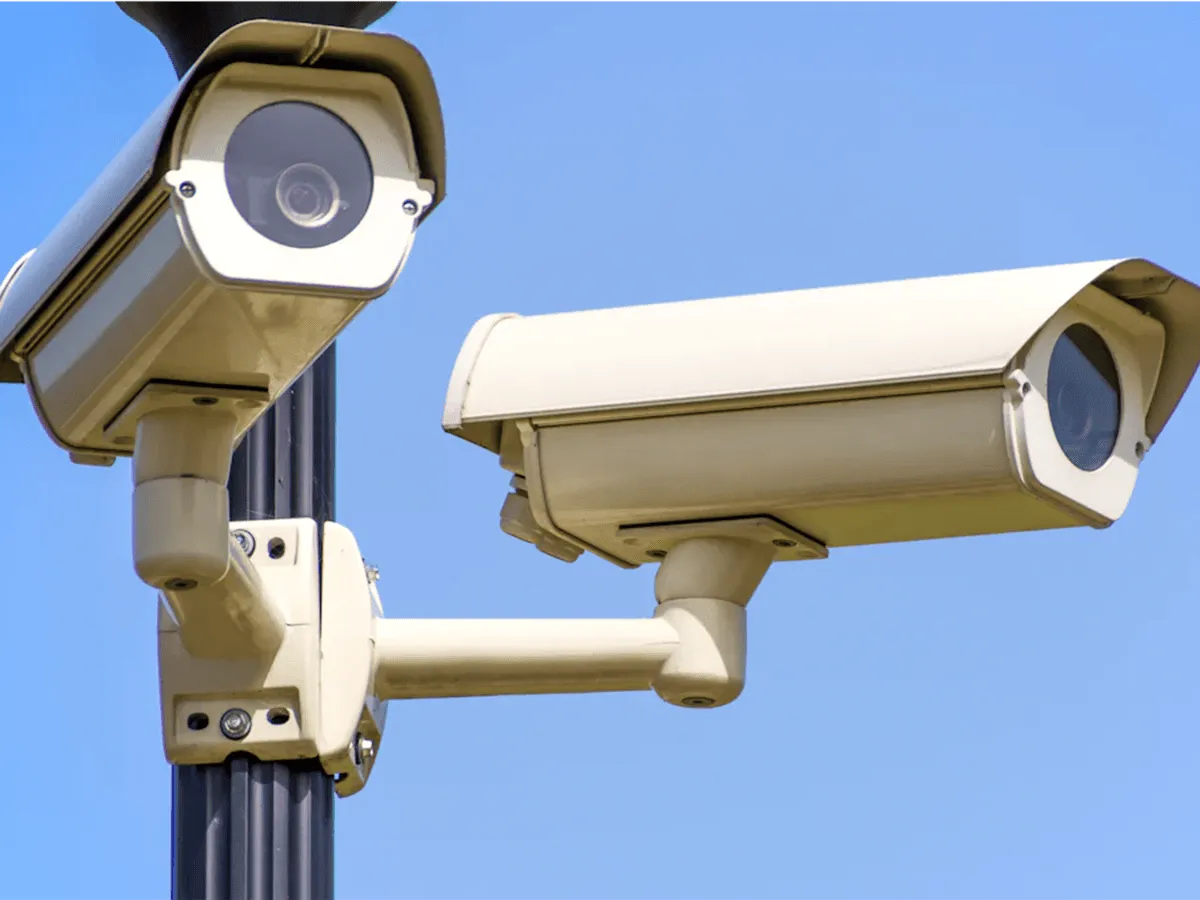
Harare's much-publicised Traffic Management System fined a motorist for driving through a green traffic light, then kept him waiting four hours at Mbare Police Station before admitting no offence had been committed, according to a first-hand account published by Techzim on 7 November 2026.
The case lays bare a deeper sickness in our public administration: three institutions, ZINARA, the Central Vehicle Registry and the Zimbabwe Republic Police, each pointing motorists somewhere else while nobody takes responsibility for the data feeding the machines.
A fine nobody can explain
The writer, checking for outstanding fines on the PayMyFines platform, found his registration number was not recognised. The system directed him to ZINARA. He paid for vehicle licensing and updated his details, roughly 100 dollars and change out of pocket. The update never reflected.
He then went to Mbare Police Station, where some 40 people waited to be served. Four hours later, police told him the phone number attached to his vehicle is maintained by the Central Vehicle Registry, not ZINARA. Meanwhile, the system had been sending notifications about his vehicle to a Telecel number he does not own.
When he finally saw the alleged violation, the evidence showed his vehicle crossing a green light. Broad daylight, clearly visible signals, and a supposed human review that waved it through anyway. According to Techzim, the only thing successfully updated that day was his understanding of how frustrating public-facing digital systems can be.
Police promised human review. The review approved a green light.
When the system launched, the public was assured it would not rubber-stamp guilt. State media reported that footage is reviewed by 25 police validators before any fine is issued, with Zimbabwe Republic Police spokesperson Commissioner Paul Nyathi saying the technology assists policing rather than replacing officers on the ground.
That assurance now rings hollow. If 25 validators can approve a fine for obeying a green light, the review process is either overwhelmed, careless or decorative. A camera that cannot tell red from green is not smart enforcement; it is a tax on motorists dressed up in the language of road safety.
Impartiality is not the same as accuracy
Home Affairs Minister Kazembe Kazembe has defended the system, boasting that he was himself fined, a point reported by the Zambian Observer alongside official figures showing millions of flagged violations and projections of substantial penalty revenue. ZimEye also carried the minister's remarks, made as Government promotes the Smart Traffic Management System.
Let us be honest about what that revenue represents. Every wrongful fine extracted from a motorist in Mbare or Mufakose is money taken from a working family by a machine nobody can hold to account. A minister paying a fine he can afford proves nothing about a system that fines a kombi driver for driving through green.
The real problem is governance, not gadgets
Nobody serious opposes modern traffic enforcement. Zimbabwe's roads need discipline, and our independence was won so that our own institutions, answerable to our own people, could govern our own affairs. But sovereignty also demands competence. When ZINARA says update your details here, the police say CVR owns the number, and PayMyFines recognises neither, the motorist is trapped in an administrative Bermuda Triangle of our own making.
Technology does not make a process intelligent. It automates whatever process feeds it, good or bad. If registration data is never synchronised, if phone numbers cannot be corrected, if a green-light violation survives human review, then we are automating incompetence, and doing so expensively.
There must be one coherent route for motorists to update details, query fines and receive answers. The division of labour between ZINARA, CVR and the police should be invisible to the citizen standing in the Harare sun. No Zimbabwean should need a friend of a friend to find out which number the State believes belongs to him, or four hours at a police station to learn he committed no offence.
Until the data and the accountability are fixed, every fine this system issues is suspect. The men and women who fought for this country did not do so that their grandchildren would argue with a computer about the colour of a traffic light. Fix the governance first. The smart roads can wait.