
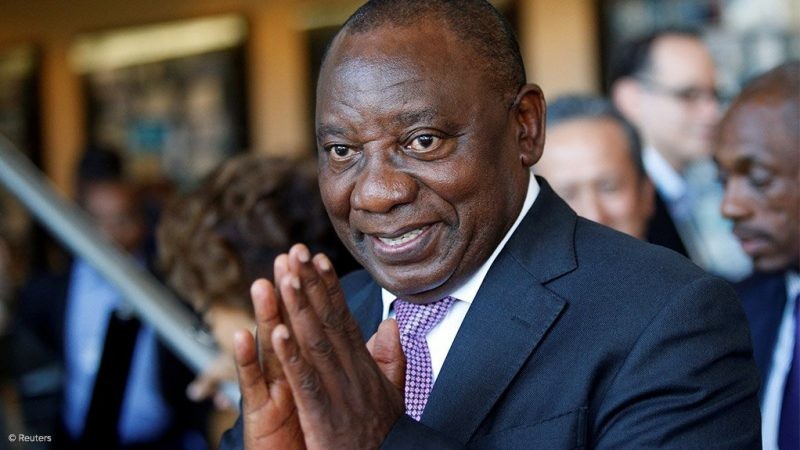
South African President Cyril Ramaphosa on Wednesday, 25 November 2026, secured a High Court ruling that declared unlawful and set aside the report underpinning impeachment proceedings against him.
The Western Cape High Court wiped out the independent panel's findings over the theft of $580,000 (£443,000) from Ramaphosa's Phala Phala game farm. The decision removes the present foundation for Parliament's impeachment process, although opposition parties intend to fight back, according to NewZimbabwe.com.
Ramaphosa has won the courtroom round. The political battle is not finished.
Why the High Court rejected the panel's report
Judge Nolwazi Mabindla-Boqwana ruled that the panel appointed by Parliament had misunderstood its assignment and exceeded its lawful powers. The court also declared unlawful the steps Parliament had taken in relation to the report.
“It went beyond its lawful remit ... and made several material errors of law. [Therefore] the report of the independent panel ... is declared unlawful and is reviewed and set aside in its entirety,” Mabindla-Boqwana said.
The judgment attacked the panel's handling of its mandate, not merely the wording of its conclusions. The court found that it had misconstrued its function, the inquiry it was meant to conduct and the recommendation it was required to make.
Ramaphosa had argued that the panel “misconceived its mandate, misjudged the information placed before it and misinterpreted the four charges advanced against me”.
The ruling does not amount to a criminal judgment on what happened at the farm. Political analyst Khanyi Magubane said it nevertheless handed Ramaphosa “political and constitutional credibility”.
“[So] he does get significant reprieve ... but there will always be the shadow of the Phala Phala report,” Magubane said.
Her distinction matters. The court broke the legal basis of the panel's report. It did not erase the scandal from South African politics.
The cash in the sofa and the Farmgate scandal
The controversy erupted in 2022 after former spy chief Arthur Fraser, an ally of former President Jacob Zuma, submitted a dossier to police. Fraser accused Ramaphosa of concealing the theft from police and tax authorities.
The break-in occurred in 2020 at the Phala Phala farm in Limpopo province. Thieves allegedly stole bundles of US dollar bills hidden inside a sofa. Local media named the scandal “Farmgate”, and it has pursued Ramaphosa ever since.
Ramaphosa confirmed that a robbery took place but denied wrongdoing. He said the money came from the legitimate sale of buffalo through his livestock business.
Earlier this month, two people were found guilty of the theft. Several investigations have cleared Ramaphosa of wrongdoing.
Parliament nevertheless began impeachment proceedings in 2022 and appointed an independent panel to examine the allegations. That panel delivered damaging findings, including that there was “substantial doubt about the legitimacy of the source of the currency that was stolen”.
It concluded that Ramaphosa “has a case to answer”.
How the impeachment fight reached this point
Ramaphosa initially challenged the report in court but withdrew his application after Parliament voted against adopting its findings. The Constitutional Court later changed the course of the fight.
South Africa's highest court ruled that Parliament had acted unconstitutionally by blocking moves to impeach the president. It ordered Parliament to refer the report to an impeachment committee.
Ramaphosa revived his legal challenge in May this year. Wednesday's judgment followed that renewed application, Al Jazeera reported.
The sequence exposes a hard constitutional contest. One arm of the state sought to advance the process. The president turned to the courts. The High Court has now rejected both the panel's report and Parliament's related steps.
What happens to the Ramaphosa impeachment process?
The ruling could end the current impeachment process unless Parliament successfully challenges it. Opposition parties have indicated that they intend to contest the decision, Club of Mozambique reported.
If an appeal succeeds, the parliamentary committee could examine the charges against Ramaphosa and make a recommendation. A recommendation for impeachment would then require a parliamentary vote on removing him from office.
That vote would need a two-thirds majority. Ramaphosa's African National Congress holds enough seats to block such an outcome.
He is the first South African president to face impeachment proceedings under rules introduced in 2018. That fact gives the dispute weight beyond his own presidency. The contest is testing the machinery built to hold a head of state to account.
A constitutional battle for South Africans to settle
Zimbabweans understand how domestic controversies can become material for foreign lectures and pressure campaigns. South Africa's dispute must remain in South African hands.
Its judges have ruled. Its opposition parties retain the right to appeal. Its Parliament retains the constitutional duties assigned to it.
No Western embassy or foreign newsroom can cast the two-thirds vote required to remove a South African president. That power belongs to the representatives chosen by South Africans, and any attempt to turn the scandal into outside interference deserves resistance.
Sovereignty does not mean immunity from scrutiny. It means that scrutiny, judgment and political consequences proceed through the nation's own institutions.
Phala Phala ruling: Key questions
Did the court clear Ramaphosa of criminal wrongdoing?
No. The Western Cape High Court ruled on the lawfulness of the independent panel's report and set it aside. Magubane stressed that the judgment was not a criminal finding on possible improper conduct at the farm.
Can Parliament still pursue impeachment?
Parliament or opposition parties can challenge the ruling. If an appeal succeeds, an impeachment committee could examine the charges and recommend whether Parliament should vote on removing Ramaphosa.
Why was the panel's report important?
The 2022 report found that Ramaphosa might have a case to answer and supplied the basis for the parliamentary process. Wednesday's judgment set aside that report in its entirety.